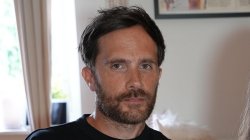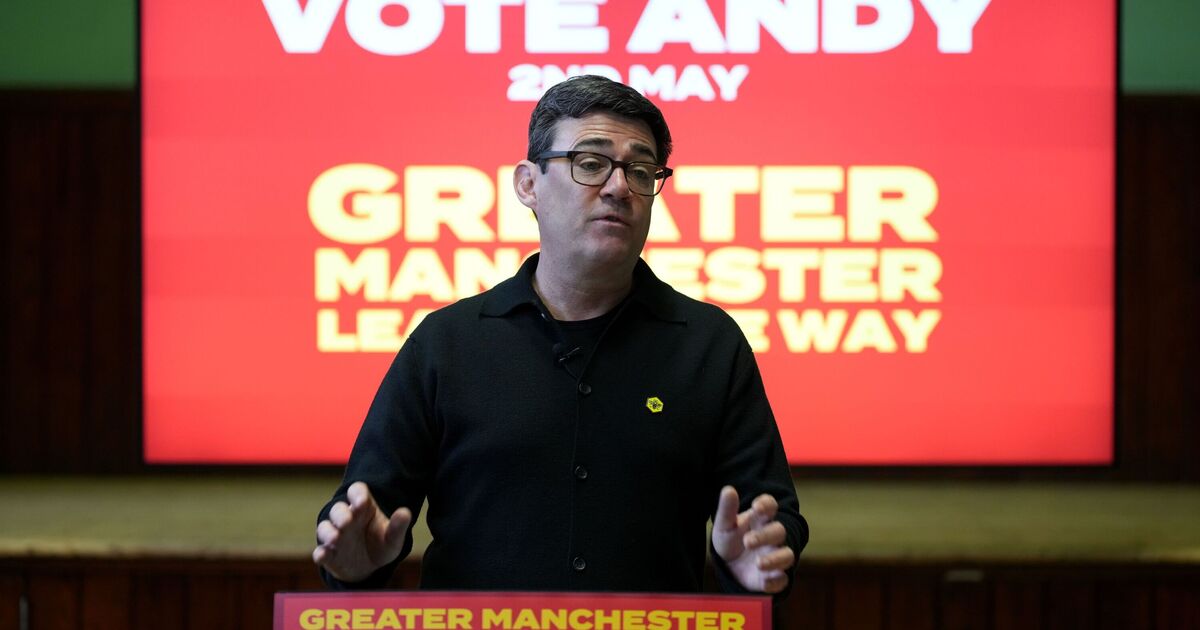

Mayors need to get permission from Labour's National Executive Committee (NEC) to stand. Mr Burnham sought that permission, publishing a letter he had sent to the ruling body on social media last night. By Sunday morning, the group, which critics say was stacked with allies of the Prime Minister, rejected his bid to return to Parliament, citing party rules designed to avoid the costs of running multiple election campaigns.
In a statement, the NEC confirmed that directly-elected mayors must seek "express permission" before seeking nomination as Labour candidates for Parliament. The ruling body said allowing Mr Burnham to stand would trigger a mayoral by-election in Greater Manchester, placing a "substantial and disproportionate impact on party campaign resources" ahead of May's local elections and elections to the Scottish Parliament and Welsh Senedd.
The NEC insisted it "could not put Labour's control of Greater Manchester at any risk" - despite claiming the party would be "confident of retaining the mayoralty". The decision has sparked outrage from Mr Burnham's backers, many of whom took to social media to decry it as a stitch-up to protect embattled Prime Minister Sir Keir Starmer from a potential leadership rival.
However, the NEC statement made an attempt to soften the blow by praising Mr Burnham, saying he is "doing a great job as mayor of Greater Manchester". It also claimed blocking him would avoid wasting "substantial amounts of taxpayers' money" on an unnecessary mayoral election, resources it claimed would be "better spent tackling the cost of living crisis".
The ruling clears the way for Labour to select a different candidate for the Labour seat. The NEC said it looks forward to "fighting and winning" the by-election with a campaign "firmly focused on tackling the cost of living and bringing investment to the local area".
Mr Burnham has not yet responded publicly to the decision.