
Reports suggest that Iranian officials are "afraid to bury" the slain Supreme Leader, months after his death.
Ali Khamenei, 86, was assassinated in a joint US-Israeli airstrike on February 28, which triggered the Iran war with the US — with his son subsequently appointed as his successor.
The cleric's remains have yet to be interred, breaking with longstanding tradition, according to the New York Post.
A security expert has now claimed that the delay stems from Tehran being too fearful to proceed with the burial.
The last state funeral for his predecessor, Ayatollah Ruhollah Khomeini, in 1989 saw millions of Iranians pour into the streets of Tehran in mourning — yet similar shows of grief for Khamenei were largely absent throughout weeks of airstrikes across Iran that claimed many of the regime's most senior figure.
Read more: Iran targets cruise ship in Strait of Hormuz as it closes the waterway again
Read more: British holidaymakers warned book now or be 'priced out' later
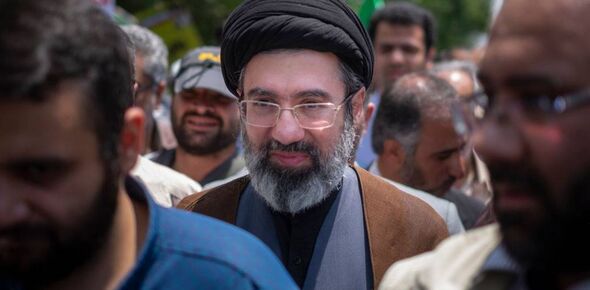
According to reports, holding a ceremony would risk potential Israeli airstrikes, nationalist counter-demonstrations akin to the nationwide uprisings earlier this year, and would force the regime to account for the conspicuous absence of Mojtaba Khamenei — Khamenei's son and the newly appointed supreme leader, who has not been seen publicly since taking office.
"It speaks volumes that the turnout for the funeral of the regime's founding father in 1989 was such a massive affair, and yet one generation later his successor is still not able to have a funeral well over a month after his passing," Taleblu continued.
"The Islamic Republic likes to talk a big game about owning the streets, but a 50-day internet blackout tells you all you need to know. The regime fears the consequences of the truth getting out."
Iranian officials are now weighing up the remote, northeastern city of Mashhad as a possible burial location, according to state media Fars, The Australian reported.

Iranian officials are now weighing up the remote, northeastern city of Mashhad as a possible burial location, according to state media Fars, The Australian reported.
Mashhad, which lies on the border with Turkmenistan and is situated far from Israel, is Khamenei's birthplace and holds both practical and symbolic significance.
One proposal under consideration would see Khamenei laid to rest near the shrine, which benefits from a substantial security presence that would enable protection of the long-serving leader's final resting place, according to reports.
The Islamic Republic had originally planned a three-day state funeral commencing on March 4, but this never came to fruition after the nation was subjected to extensive Israeli and US bombing campaigns, according to state news agency Irna.
No dates have been confirmed for Khamenei's burial ceremony.
The US and Iran agreed to a temporary truce on April 8, which is due to expire on Wednesday.