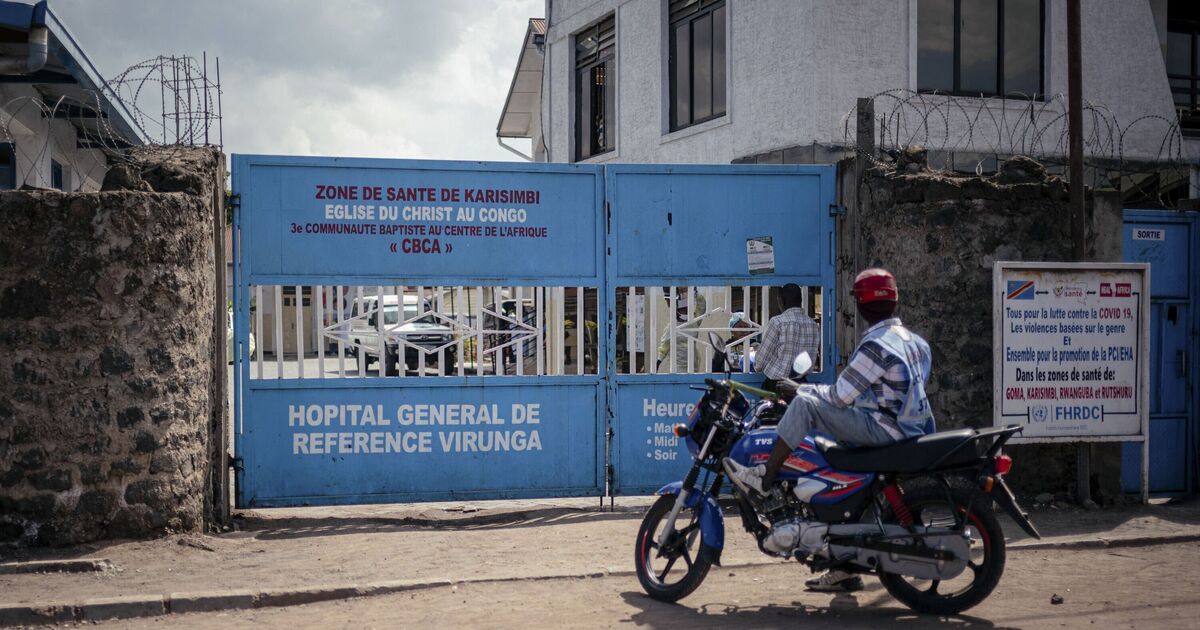

An Ebola outbreak in the Democratic Republic of Congo has been spreading undetected for weeks in one of the most challenging environments on earth, and experts are watching closely to see whether it can be contained before it grows into something far more serious.
Almost 250 suspected cases and 80 deaths have been recorded so far. The World Health Organisation has declared the situation a public health emergency of international concern, but scientists are at pains to stress that this does not mean the world is in the early stages of a Covid-style pandemic.
For most of the world, the immediate threat is limited. At the height of the catastrophic 2014-16 West African outbreak, the largest in history, with 28,600 infections, Britain recorded just three cases, all in medical volunteers who had travelled to assist with the response.
Dr Amanda Rojek of the Pandemic Sciences Institute at the University of Oxford said the WHO's emergency declaration "does reflect that the situation is complex enough to require international coordination" but stopped well short of suggesting a global crisis was imminent.
The countries most exposed are those sharing borders and economic ties with the DRC. Experts have identified Uganda, South Sudan and Rwanda as particularly vulnerable, given the volume of cross-border movement between them and the affected region. Two people in Uganda have already been confirmed to have the virus, one of whom has died.
The BBC reports the strain at the centre of this crisis is Bundibugyo, one of the least understood of the three Ebola species known to cause human outbreaks. Prior to this, it had emerged on only two occasions in recorded history, first in 2007 and again in 2012, with a fatality rate of roughly 30 per cent.
Unlike more commonly encountered strains of the virus, there are no approved vaccines or drug treatments for Bundibugyo, though some experimental options exist.
Standard diagnostic testing has proven unreliable in identifying this strain, early samples returned negative results, and only after more advanced analysis could scientists confirm that Bundibugyo was responsible. Prof Trudie Lang of the University of Oxford described dealing with this species as "one of the most significant concerns" in the current situation.
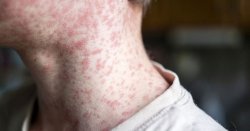
The incubation period ranges from two days to three weeks. In its early stages the illness can easily be mistaken for influenza, producing fever, headaches and exhaustion, before escalating into severe gastrointestinal symptoms, multi-organ failure and, in some cases, uncontrolled bleeding both internally and externally.
With no approved drugs targeting Bundibugyo, treatment focuses on what specialists describe as "optimised supportive care" managing pain, treating secondary infections and maintaining fluids and nutrition.
The earlier a patient receives care, the better their chances of survival. Transmission requires direct contact with bodily fluids including blood, vomit and similar secretions from someone who is already showing symptoms, which limits but does not eliminate the risk of rapid spread.
The first known case was a nurse who fell ill on 24 April. It then took three weeks before an outbreak was officially declared, a delay that has alarmed specialists. Dr Anne Cori of Imperial College London said: "Ongoing transmission has occurred for several weeks, and the outbreak has been detected very late, which is concerning."
The WHO has warned that the late detection points towards a "potentially much larger outbreak than what is currently being detected and reported."
Health authorities are now working urgently to identify infected individuals and trace their contacts, while also working to prevent transmission within hospitals and treatment centres where patients are at their most infectious and to ensure safe burials, since bodies remain capable of spreading the virus.
The task is complicated by the conditions on the ground. Active fighting in the region has forced a quarter of a million people from their homes, creating the chaotic conditions in which a virus can move quickly and invisibly. Prof Lang warned: "Many of the affected areas are mining towns with highly mobile and transient populations. This mobility increases risk as people move between communities and across borders."
There are, however, reasons for cautious optimism. The DRC has more experience of dealing with Ebola than almost any country on earth, having faced 17 outbreaks since the virus was first identified there in 1976. Dr Daniela Manno of the London School of Hygiene and Tropical Medicine said the country's response was "significantly stronger today than it was a decade ago."
Whether this outbreak is swiftly brought under control or escalates into something far more serious will depend entirely on the decisions made in the coming days and weeks.