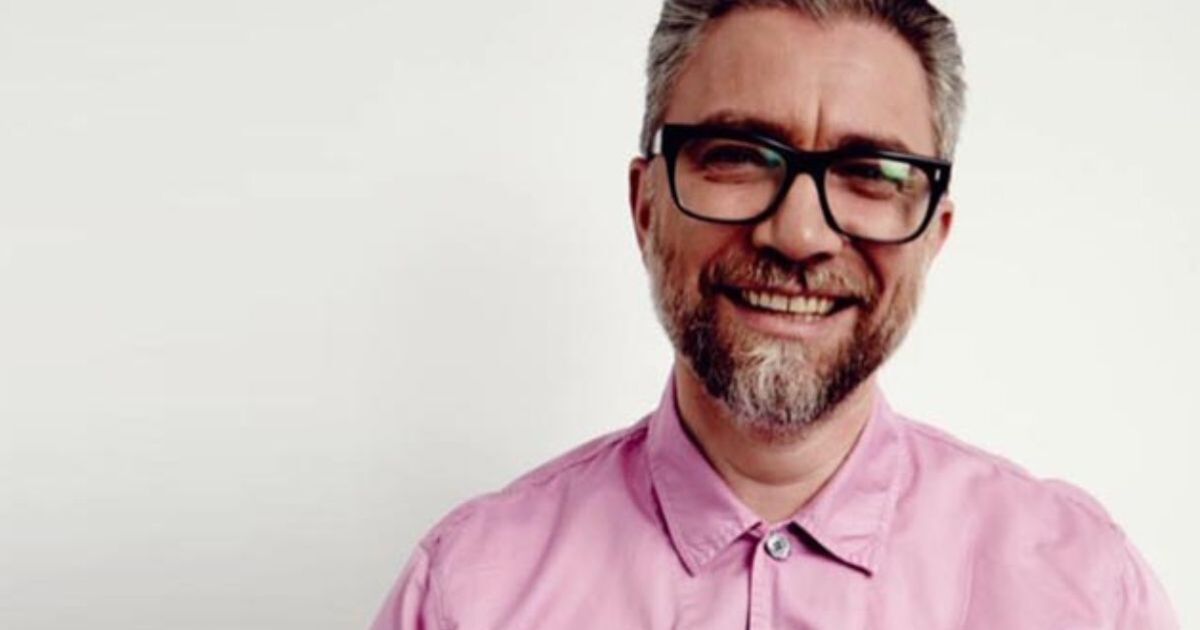

A former Big Brother host and Virgin Radio presenter has spoken out about his 'brutal' battle against leukaemia, expressing his hope that future cancer patients will be offered greater treatment options than he was. Jamie East, 52, launched his television career in 2011, co-presenting Big Brother's Bit on the Side alongside Emma Willis and Alice Levine, before going on to front Thronecast on Sky Atlantic with Sue Perkins, Most Haunted Live with Ryal, and Celebrity Haunted Hotel Live with Christine Lampard and Matt Richardson. He joined the Virgin Radio UK team as a presenter on the 10am to 1pm slot in 2016, before later moving to talkRADIO to host the afternoon show. He now works as a podcaster and journalist, contributing to national projects with ITV and DMG.
Jamie, who first made his name in punk band The Beekeepers, was diagnosed with chronic myeloid leukaemia (CML) in June 2025. He said: "Before my diagnosis, I was honestly the fittest I'd ever been. I was going to the gym regularly and had just run a 10k, but I noticed the glands in my neck were swollen, so I booked a GP appointment."
Following blood tests and a bone marrow biopsy that confirmed his diagnosis, Jamie was confronted with a difficult choice regarding his treatment, reports the Mirror.
"My first reaction was to ask my consultant if I could still go to Glastonbury in a few days, I think I was in shock!" said Jamie. "But I was given a choice between imatinib and dasatinib. My consultant explained both would work, but dasatinib would be quicker and harsher. I felt incredibly vulnerable at that point, so I chose the gentler option." While initially effective, Jamie's treatment required adjustment. "My blood results were on track at first, but then they started to fall out of range, so I was switched to dasatinib. The side effects were brutal at first, constant headaches and a rash, but they settled after a few days.
"It's good that patients have a choice, but if I'd been told from the start which treatment was best for my specific leukaemia, that's what I would have done. "
Jamie recently visited a laboratory where pioneering research funded by Leukaemia UK is revealing why people diagnosed with CML can respond so differently to treatment, opening the door to more personalised and effective care. CML is a form of blood cancer triggered by a genetic abnormality, which drives the uncontrolled production of abnormal white blood cells from stem cells in the bone marrow.
Professor David Vetrie, from the University of Glasgow, said: "My research group and I are very grateful to be the recipient of the 2025 Leukaemia UK Project Grant. We are working with exceptionally talented scientists, and the project has great potential to help patients. Our research is now aimed at developing drugs that specifically target the leukaemic cells in different patient groups, so we can improve the outcomes of as many people with CML as possible."