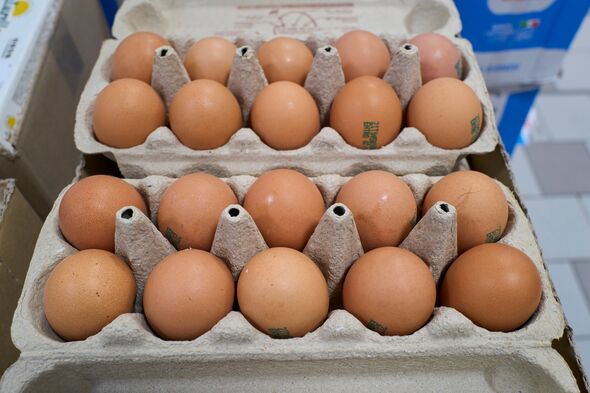

Sainsbury's revealed this week on June 3, 2026, that it will entirely eliminate brown eggs from all its own-brand ranges and switch exclusively to white-shelled eggs.
The retail giant is implementing this significant environmental overhaul primarily because of the substantially reduced environmental impact and enhanced animal welfare linked to white-egg-laying hens.
A lifecycle assessment carried out by SAC Consulting found that white eggs have a 12.7% smaller carbon footprint than traditional brown alternatives. The white-feathered hens that produce these eggs are typically smaller, meaning they consume less energy-intensive feed while delivering the same egg output.
Since the hens eat less, the change indirectly reduces pressure on land and water resources required to cultivate feed crops. It also decreases the total amount of manure produced.
White hens also naturally enjoy longer lifespans and maintain an extended productive laying period - making them far more efficient throughout their lives. Additionally, they are naturally calmer and more docile. They are less susceptible to aggressive behaviours such as feather pecking, resulting in improved overall flock health and welfare.
Sainsbury's customers have now voiced their opinions on the announcement, with some raising the same concern about the white eggs - that their shells 'seem more brittle' and that they have 'paler yolks'.
One user wrote in a Reddit thread discussing the news: "They are so brittle, I always crack my eggs onto the counter and had one break completely for the first time this weekend."
Another commented: "The white eggs seem to have thinner shells and paler yolks."
A third chimed in: "I bought a box of [white eggs]. They were thin shelled and pale yoked."
However, others were quick to counter that the nutritional value and overall quality remained identical.
One user posted: "They're supposed to be the same in nutritional content and quality, there's just some public perception that brown eggs are better, and that's the only reason we reserve brown eggs for consumers and use white eggs for everything else."
Someone else added: "Other European countries sell white eggs in supermarkets."
While a third remarked: "Different breeds. White eggs have the same nutrients as brown."
A Sainsbury's spokesperson said: "White eggs have the same delicious taste and nutritional benefits as their brown counterparts but result in lower carbon emissions and better welfare outcomes for the hens that lay them.
"White‐feathered hens typically live longer, eat less feed and lay eggs for longer, cutting carbon emissions by over 12% compared with hens that lay brown eggs.
"We know Brits love their eggs and, as we work with suppliers to transition all of our own brand to white shells, they can now enjoy them knowing they are better for the environment and the hens."
David Brass, CEO of The Lakes Free Range Egg Co., added: "We fully support Sainsbury's transition to white eggs and have worked closely with them over the past three years to make it happen. In fact, we've partnered with Sainsbury's for over 15 years and that long-term relationship gives us the confidence to invest in innovation like this, unlocking real benefits for farmers, sustainability and animal welfare.
"This move has the potential to reset the UK egg industry for the better. White birds, and the eggs they lay, tick all of the boxes on animal welfare, sustainability and increased volume of eggs, while continuing to offer the same great nutrition, delicious taste and price for customers.
"They are easier to manage, more efficient and lay more eggs over their lifetime - something that matters hugely to farmers. In fact, once our farmers have worked with white flocks, they rarely want to change back, which says it all."
Contrary to popular belief, white eggs do not naturally possess thinner shells than their brown counterparts. Shell thickness is dictated by the hen's age, overall health, and nutritional intake, rather than the colour of the shell itself. Both white and brown eggshells are chemically identical, comprising almost entirely of calcium carbonate. Brown eggs undergo an additional stage within the hen's oviduct, where a brown pigment (protoporphyrin) is deposited onto the shell's exterior. This pigment can produce a marginally thicker "cuticle" or outer bloom, which occasionally gives the egg a somewhat sturdier or more robust feel when cracked cleanly.
Younger hens produce smaller eggs with thick, hard shells. As hens mature, they produce larger eggs, yet the calcium they secrete remains constant, resulting in the shell becoming stretched and thinner.
Hens require substantial quantities of calcium to develop strong shells. Access to a nutrient-rich diet or calcium supplements (such as oyster shells) results in considerably thicker shells. Stressed, unwell, or overheated chickens frequently produce eggs with weaker, thinner shells.