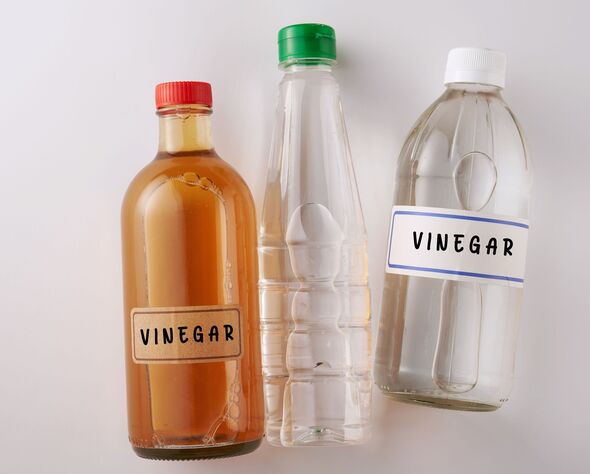

Vinegar is a go-to cleaning product many experts recommend, but not all types of vinegar are created equal, especially if you need a fast, affordable solution for your home chores. Choosing the wrong bottle can mean the difference between a shiny, clean surface and a stained mess.
Understanding why one is best used as a handy cleaner while the other is best saved for your fish and chips can save you time and money. Below is an explanation of the difference between brown and white vinegar and why one is better for cleaning than the other.
White vinegar, often referred to as distilled or spirit vinegar, is produced by fermenting grain alcohol into acetic acid, then diluting it with water. This process produces a clear, highly acidic liquid with a sharp, strong taste.
Due to its purity, it is the preferred option for cleaning and preserving at home. It doesn’t leave any unwanted colours or flavours on food or surfaces.
On the other hand, 'brown' vinegar is a general term that includes various types like apple cider, malt, and balsamic vinegar. These are made from different fermented sources such as apples, malted barley, or grapes.
These vinegars keep certain nutrients and compounds from their original ingredients. It results in complex, unique flavours and colours, making them more suitable for cooking than for cleaning.
The main difference in their use depends on what you want to achieve. Brown vinegars are well-known for cooking, with malt vinegar often paired with fish and chips for its rich, nutty flavour, while apple cider vinegar is popular in dressings and marinades for its fruity, tangy taste.
Since these vinegars contain sugars and complex organic compounds, they are usually not recommended for cleaning, as they can leave behind sticky residues or stains. On the other hand, white vinegar is the go-to for jobs that require a strong, neutral acid, like removing scale buildup from appliances or cleaning surfaces, as its clear nature prevents discolouration during cleaning.
Our community members are treated to special offers, promotions, and adverts from us and our partners. You can check out at any time. Read our Privacy Policy
White vinegar doesn't leave any colours or stains behind. Although both types of vinegar have a strong smell when applied, white vinegar quickly fades away as it dries. On the other hand, using malt or apple cider vinegar can leave a strong odour reminiscent of a fish-and-chips shop or fermented fruit in your home.
White vinegar can be used to clean windows, descale kettles, wipe down kitchen worktops, clean washing machine drums, and remove carpet stains. While brown vinegar can be used for cooking, baking, making salad dressings, and culinary pickling.