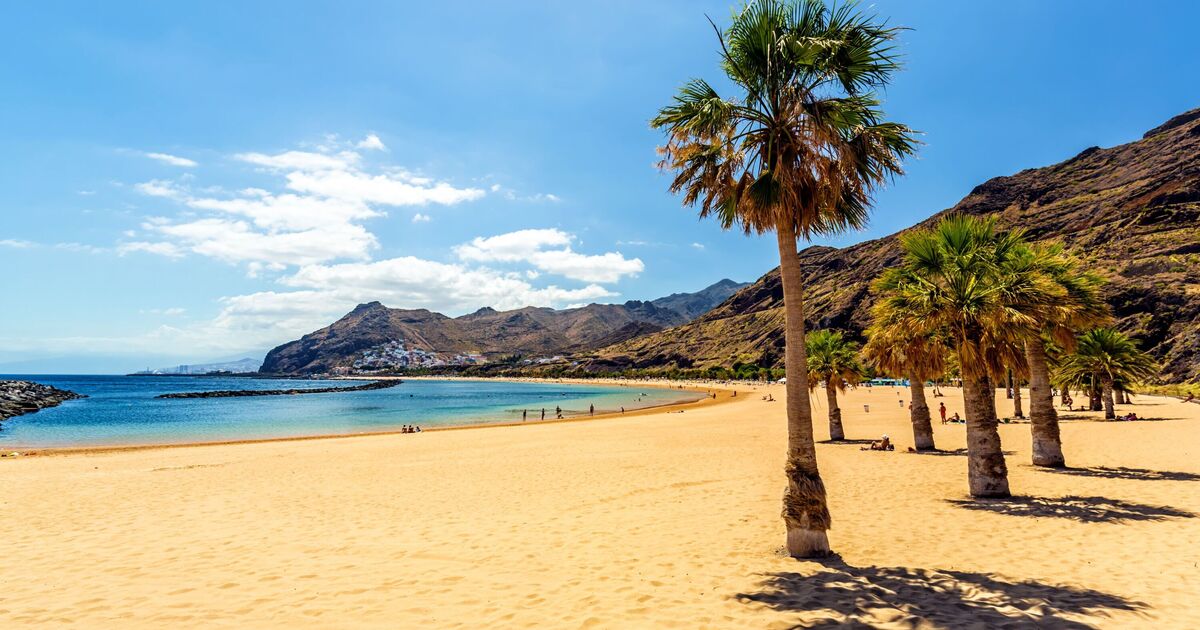

The blistering heatwave officially kicks off on Wednesday (July 29) and is expected to rage until at least Sunday (August 2), with forecasters warning the dangerous weather could easily drag on into next week. The islands expected to bear the brunt of the extreme weather are Gran Canaria, Tenerife and Fuerteventura, with inland regions and south-facing slopes taking the biggest hit.
According to AEMET’s forecast, temperatures across the archipelago will steadily climb as the week progresses, starting on Wednesday, when heat builds across the mid-altitude regions of La Palma, Tenerife and Gran Canaria, sending temperatures in Gran Canaria’s valleys soaring past 36C, according to Canarian Weekly. By Thursday, extreme conditions will spread wider, bringing 36 to 38C heat to southern Gran Canaria, while southern Tenerife and inland Fuerteventura both push past 35C.
The sweltering conditions will intensify further on Friday, as inland Fuerteventura reaches 37 to 38C and isolated parts of southern Gran Canaria peak at a scorching 39 to 40C. The scorching air mass is expected to linger through the weekend, keeping temperatures consistently above 37 to 38C across Gran Canaria and Fuerteventura.
It isn't just the daytime sun causing concern, either. The hot air mass is accompanied by a severe calima - a thick haze of Saharan dust blowing across the islands as standard cooling ocean breezes weaken.
Emergency services have placed much of the region on extreme forest fire alert, citing the combination of low humidity, high winds, and soaring temperatures.
Overnight temperatures will offer little relief to tourists and locals. "Tropical nights" will see mercury levels remaining above 25C across higher and mid-altitude areas, making sleeping conditions particularly uncomfortable. Poor air quality caused by Saharan dust is also expected to affect mountainous areas.
AEMET is urging everyone across the islands to monitor official updates, stay well hydrated, avoid strenuous outdoor activity during peak sun hours and look after children, the elderly, and vulnerable individuals.