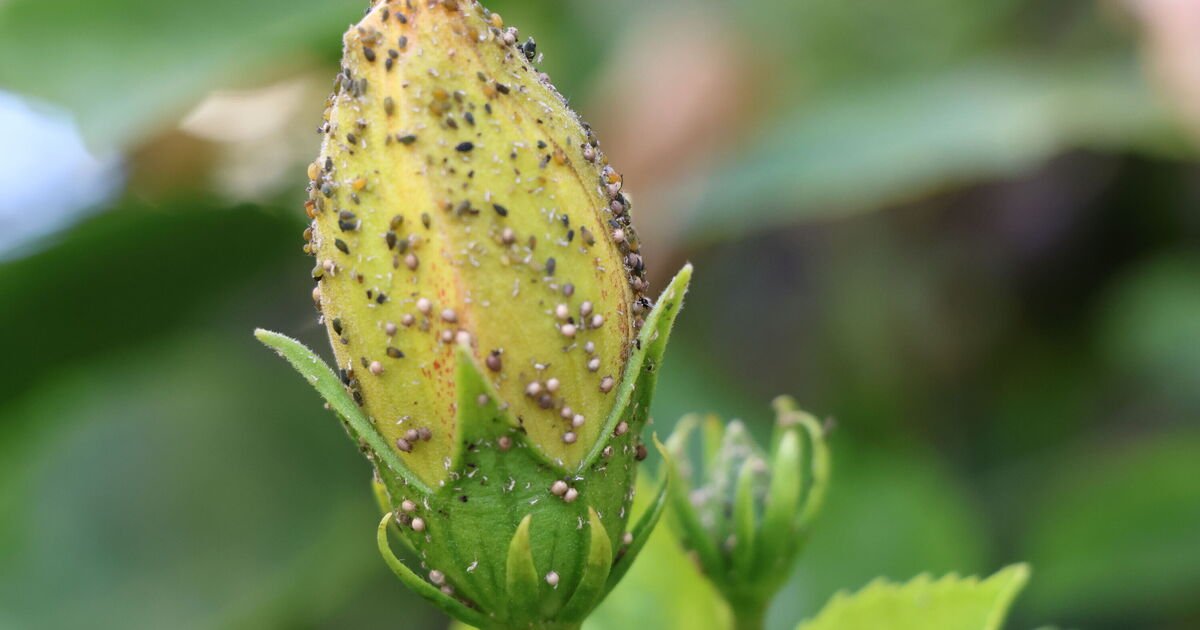

A greenfly plague is currently hitting gardens across the UK - with rose bushes currently under siege especially. Some people will be getting out the insecticides - but they can be bad for the environemnt and harm birds and other predators which would otherwise feed on the insects.
However gardening gurus have made a suggestion - and it costs just 44p to make up a big bucket of a totally natural anti-greenfly mix. According to google, searches for greenfly are up 491% in the past month, with breakout terms such as ‘how to get rid of greenfly’ up 21% in the last week.
Green and black flies, commonly known as aphids in the gardening world, can be found on both indoor and outdoor plants. While a few aphids may not cause significant damage, large numbers crawling on stems or a sticky residue left on your plants could indicate a problem.
Aphids are also drawn to nitrogen-rich fertilisers, so it’s important not to over-fertilise your plants, as this can make them more attractive to these pests. The Norfolk School of Gardening said: “I don’t know if anyone else has noticed, but greenfly this year seem to be particularly large and plump. They have been all over the flower buds and new leaves of the lupins in the Walled Garden for the past couple of weeks, and there have been far too many to remove by hand.
"We don’t use chemical pesticides, so this week we made some garlic water, leaving several cloves to steep in boiling water and then pouring it into a hand spray when cool."
“This definitely kills off the current generation of aphids, but the eggs still hatch out, so we are spraying every couple of days at the moment. We haven’t seen many ladybirds yet in the Walled Garden but we hope they will turn up soon, and in the meantime we have taken the lupins out of the pots where they have been for a few months, got them into the ground and given them a feed. Stressed plants are much more likely to be attacked by aphids, so we hope to have made them less vulnerable. “
Garlic contains allicin, a sulphur compound that repels insects and may also act as a natural antifungal agent. If you’d prefer not to have the smell of garlic in your garden, you can mix a few drops of washing-up liquid with water in a spray bottle and apply it to affected plants. This can help remove and deter aphids effectively.
Dr Stephanie Bird, RHS senior plant health scientist has said what weather will affect populations, as aphids will thrive in a warm, dry spring and summer. “Aphids’ life cycles are temperature dependent, and the slightly warmer weather means they they are able to reproduce and build up their numbers slightly quicker,” she explains. And warmer winters lead to earlier activity, she adds.
The RHS advises gardeners to tolerate them where possible, but if you can’t, use your finger and thumb to squash colonies and check plants frequently before the damage has developed. Don’t use pesticides, it says, because they reduce biodiversity, including natural enemies, and impact soil health. It suggests encouraging natural enemies of aphids into your garden by planting pollinator-friendly plants.