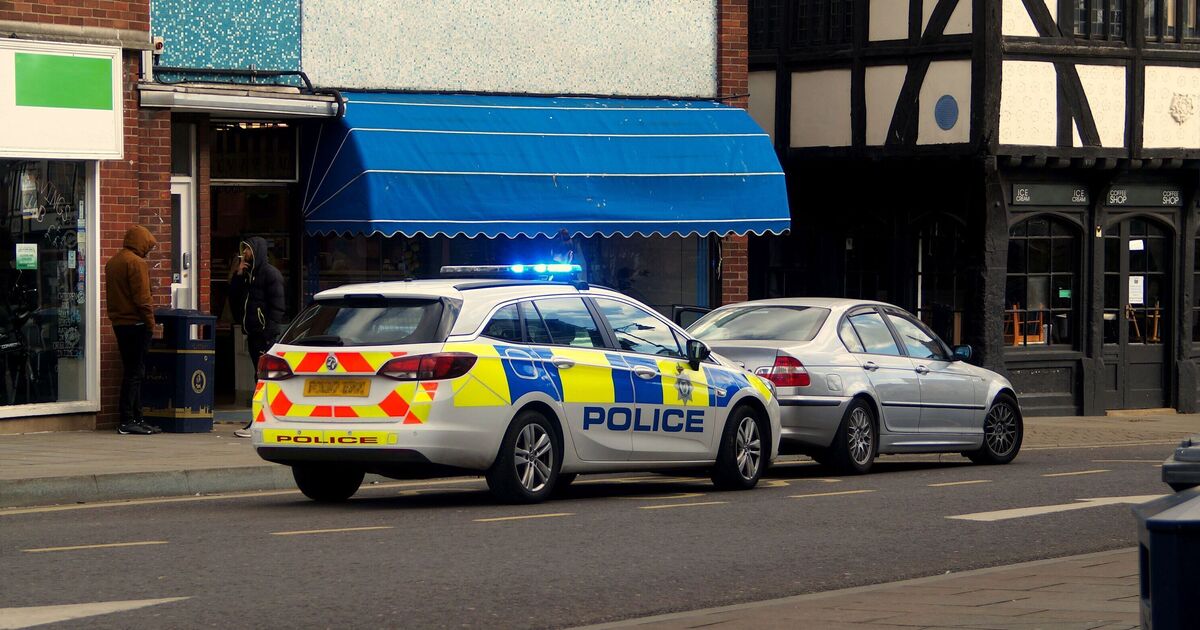

Police and road safety groups have told the government they are concerned that some offences do not carry extra penalties, such as penalty points or vehicle seizure. The government has been carrying out a consultation on its Road Safety Strategy - and the deadline for responses passed last week.
Parliamentary Under-Secretary of State for Local Transport Lilian Greenwood MP said it was aimed at reducing deaths and serious injuries on the road - and making sure teh police have the powers they need which also fit the crime. She said in a forward to the consultation: “In 2024, there were 1,602 deaths on our roads – an average of around 30 a week, or 4 to 5 per day. There were also 27,865 serious injuries on our roads. Although the UK has some of the safest roads in the world, these figures remain far too high, and this government does not accept that these deaths and serious injuries are inevitable.
“With the number of UK road deaths having plateaued since 2010, it’s clear that strong, decisive action is long overdue. The government recognises the need to take action now to reduce casualties and damage on our roads. There is no silver bullet of one measure that will drastically reduce road death. Real progress will come when a range of measures work together, systematically and consistently, towards a common goal.”
The strategy looks at a number of areas including drink and drug driving, medical ability to drive - such as mandatory eye tests for over 70s and not using seatbelts. One are being considered are incidents which might need tougher penalties. The consultation said: “Police and road safety groups have told the government they are concerned that some offences do not carry extra penalties, such as penalty points or vehicle seizure.“
The strategy says the change is needed because criminals are hiding behind the law. It explained: “It’s harder for police to identify who is using a vehicle because some offenders go to great lengths to hide who owns it or who was driving – this makes it harder for the police to keep the public safe and pursue offenders.
“There is a significant amount of evidence of disguising a vehicle’s true ownership to avoid compliance with vehicle excise duty requirements and other payment requirements for the use of certain roads. This places an additional burden on those law-abiding drivers when revenue shortfall to the treasury due to fraud has to be made up.
“The police currently have the powers to seize a vehicle from those driving whilst uninsured, or not in accordance with their driving licence. The use of this power has to be proportionate and allows police to use their discretion not to seize where they feel that is an appropriate decision based on the merits of each situation.”
On the issue of motor insurance, the government has highlighted the difference in penalties for making a false declaration to obtain motor insurance and driving while uninsured. Currently, although the false declaration offence can, if it goes to court, lead to imprisonment and fines, most do not - and there is no provision to give out penalty points or disqualify the driver. In comparison, the penalties for driving while uninsured are a fixed penalty of £300 and 6 penalty points or if the case goes to court, an unlimited fine and/or driving disqualification.
A summary of responses will be published in the next 3 months, before the government moves to change the legislation later this year. To read the full consultation document click here.