 Reuters
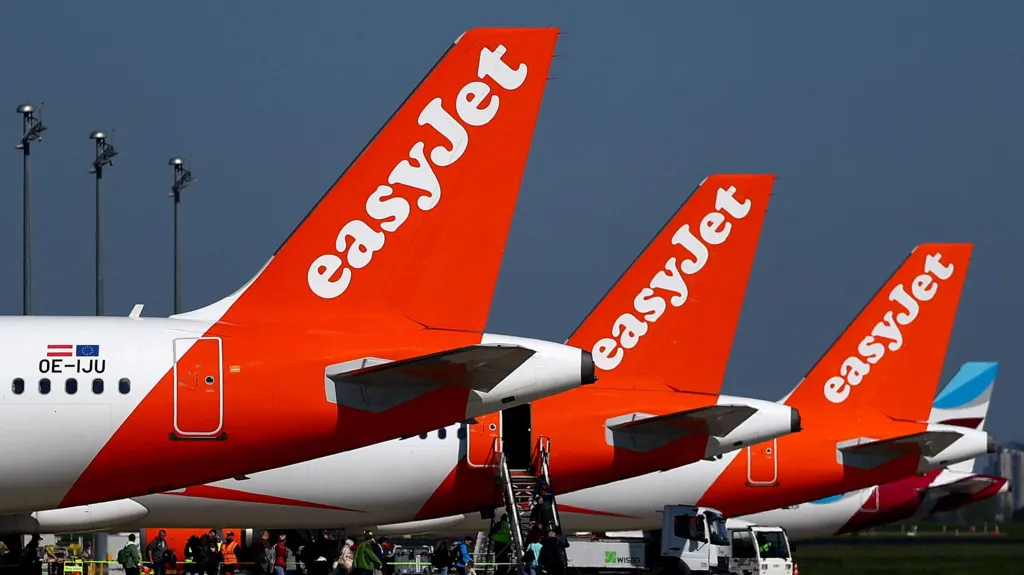
The boss of EasyJet has said the airline will not be affected by jet fuel shortages this summer, but says people are booking flights later because of the uncertainty caused by Iran war.
Kenton Jarvis told the BBC travellers should not panic as the airline had seen no issues with fuel supplies, adding that people could book with confidence.
The conflict in the Middle East has led to the effective blockade of the key Strait of Hormuz waterway, normally a key route for Europe's jet fuel, and this has led to near doubling in fuel prices.
Earlier this week, rival carrier Ryanair said Europe remained "relatively well supplied with jet fuel".
On Wednesday, it emerged that plans to impose a ban on UK imports of diesel and jet fuel made from Russian oil in third countries have been watered down amid concerns over supplies and price rises.
However, Jarvis told the BBC's Today programme: "We've seen absolutely no issues with fuel supply in any of our airports in the UK across Europe or indeed beyond."
He added the carrier stayed in close contact with its fuel suppliers, airports and governments and "they're equally raising no issues looking forward".
"I would absolutely say don't panic about it, at EasyJet we fully intend to fly the summer schedule that we have on sale," he said, adding that the airline would not be adding fuel surcharges to fares.
Jarvis said fuel production had increased in Norway, West Africa and the Americas, while "refining capacity for jet fuel has also increased substantially outside of the Gulf region".
One change EasyJet had seen was a "shortened booking window", with demand strong for flights departing the same month, Jarvis said.
"As you look further out people are more cautious, people are waiting and watching, but they are booking… and I expect that strong late booking market to run through the summer."
The trend of later bookings echoes that seen by other travel firms. Jet2 said last month that bookings had "become increasingly close to departure" since the beginning of the conflict, while Tui said it had seen a 10% fall in revenue from summer holiday bookings made by UK customers.
Travel agent group Advantage Travel Partnership said "strong demand for holidays departing in the coming weeks suggests consumers remain cautious about committing too far ahead", although it added the "continued momentum in the late-booking market also underlines that appetite for travel remains resilient".
Jarvis's comments on delayed bookings came as EasyJet reported a pre-tax loss of £552m for the six months to March. Airlines typically make losses over the winter then look to make profits during the peak summer holiday season.
The carrier reiterated that its financial performance during the second half of the year would be affected by higher fuel costs and uncertainty over customer demand.
Earlier this year, EasyJet said it would be trimming the number of seats it had on sale this summer by 0.3%. The airline has also said the Iran war had added an extra £25m to its fuel bill in March.
In late February, before the first US and Israeli airstrikes, jet fuel was trading at $831 a tonne in Europe. By early April, it had touched $1,838 a tonne before beginning to fall. It is now down to around $1,300.
EasyJet said it had signed deals - or hedged - for 72% of its fuel supply for the six months to the end of September at pre-Iran war prices. For the six months over the 2026-27 winter this falls to 53%.
Aarin Chiekrie, equity analyst at Hargreaves Lansdown, said EasyJet was "one of the more sensitive European airlines to fuel price fluctuations".
"The recent spike in fuel prices looks set to take a big toll on profitability," he said. "Even if the Middle East conflict is resolved in the near term, fuel prices are likely to remain elevated for some time."

Get our flagship newsletter with all the headlines you need to start the day. Sign up here.

20 PerFlyer