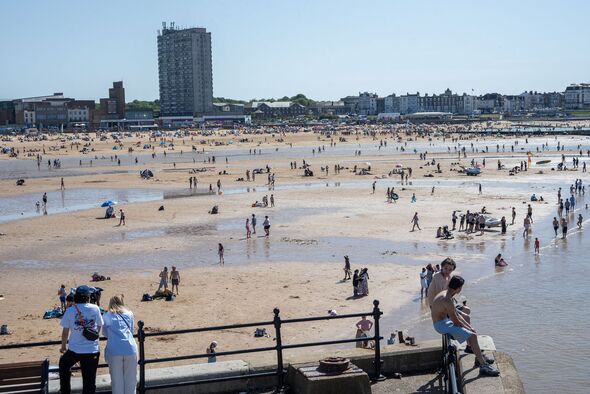

While Brits might be enjoying the UK’s stunning beaches right now, with the sunny summer weather, there are many strict rules in place which people may not be aware of. In order to keep beaches fun, clean and safe for everyone, rules are place through the Public Spaces Protection Orders (PSPOs) and byelaws, with some wardens handing out fines on the spot.
With that in mind, there are five common habits that many Brits may fall into when heading to the beach, but which could actually result in fines of up to £2,500. While these activities might seem harmless, local authorities in some areas enforce strict rules. Knowing the regulations before you set off could help you avoid an unexpected penalty and enjoy a stress-free day by the sea.
Read more: UK households warned of 67% ‘double tax’ as Rachel Reeves makes change
Read more: Recall issued for batch of widely-prescribed blood pressure drug

While many may consider this a harmless crime, leaving rubbish around is a criminal offence under the Environmental Protection Act 1990, and can result in a fine of £2,500 in court.
And it’s an ongoing issue – The Marine Conservation Society discovered 764,451 pieces of litter on UK beaches in 2024 alone, meaning an average of 170 items for every 100 metres of coastline.
While many UK beaches welcome furry friends, some do not so it’s vital to check before you bring them along as you may get in trouble. While some do not ban them completely, dogs may only have access to certain zones at different times.
The seaside town of Cleethorpes in Lincolnshire, for example, banned dogs from a stretch of its beach from around April through to September, fining £100 to anyone caught with their dog.
Cleaning up after your dog is also a compulsory duty and a rule that applies almost everywhere.
Despite many assuming they can due to the outdoors nature of the beach, many UK beaches are banning the habits. Bexhill, Camber Sands and Pevensey Bay in East Sussex were some of the first in England to do so, followed by Welsh beaches like Little Haven and Caswell Bay.
Although these are voluntary restrictions at the moment, Shane Margereson, a vape expert and owner of company ecigone, explains why it’s still important to follow.
“Whether you smoke or vape, the rule is simple to never leave anything behind.
Cigarette butts are one of the most littered items in the world, and now we're seeing discarded vapes on beaches too.”
She continued: “That's a real danger, because vapes contains a lithium battery that
should never end up in the sand or the sea. With beaches going smoke free it's also important to just be mindful around you when vaping/smoking”.
Although seemingly fun and romantic, camping overnight on a beach could cost you up to a £1000 fine.
An increasing number of seaside councils are banning overnight camping and sleeping in vehicles on beaches and seafronts under Public Spaces Protection Orders (PSPOs), with a £100 fixed penalty rising up to £1,000 on prosecution.
For example, Bournemouth has previously sent wardens to give illegal beach campers hourly wake-up calls on an air horn.
Beaches in Sefton, Thanet and Cleethorpes ban BBQs and fires under PSPOs, with fines of up to £1,000. This is perhaps understandable with UK fire services attending more than 3,900 barbecue-related incidents since 2022.
With over 50% of UK adults planning a barbecue this summer, it might be a common mistake. It’s also important to check what your beach says about alcohol with many placing fines of up to £500 on booze.