
More than 500 mothers and babies suffered potentially avoidable harm or died at an NHS trust with a “toxic” culture, a damning inquiry has found. The largest maternity review in the health service’s history examined more than 2,500 cases at Nottingham University Hospitals NHS Trust (NUH) between 2012 and 2025. It found women were endangered and treated appallingly due to “deeply embedded systemic failures” and a “bullying and toxic culture”.
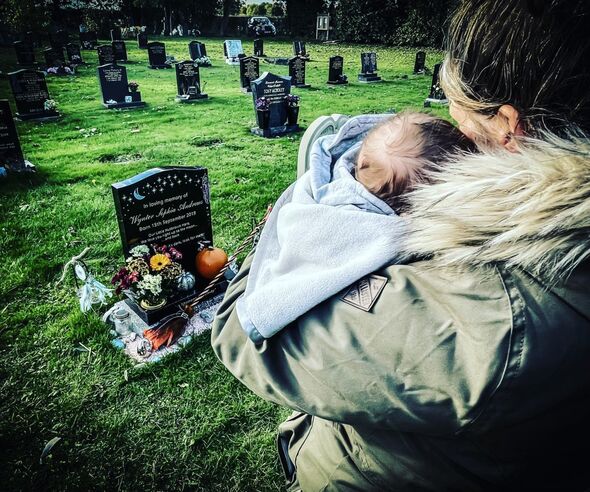
The deaths of at least 156 babies and six mothers might have been avoided with better care. Of the baby deaths, 94 were stillbirths. Families affected by the devastating failures called for the recommendations in senior midwife Donna Ockenden’s report to be implemented fully. Gary Andrews, whose daughter Wynter died 23 minutes after she was born by emergency caesarean section in 2019, said a clinician had told him “if we listened to every mother’s concerns, we’d be overrun”. Mr Andrews said: “I think now I can respond to that and say if you’d listened to every mother’s concerns, there would be hundreds of mothers, babies, still alive.”

Jack Hawkins, whose daughter Harriet was stillborn in 2016, said: “After a relentless and at times almost unbearable 10-year campaign, it is with a profound sadness and a deep sense of anger we learn the true scale, the extent, of the maternity scandal.
“We never wanted to be campaigners. We are victims. We became campaigners because those responsible for keeping mothers, babies and families safe failed to listen.
“The report, findings and actions that Donna and her team say must happen must be treated with the utmost seriousness and implemented in full. Anything less would be a betrayal of families whose suffering has made this review necessary.”
Mr Ockenden presented her team’s findings in Nottingham on Wednesday. She described the 381-page report as an account of failures in leadership and governance, suppression of concerns, and what happens when “the voices of women, particularly the most vulnerable women, are systematically dismissed”.
She added: “This is a report about a system that failed…and what it costs. It costs lives, it costs futures, and it costs families everything.”
The report concluded that 520 mothers and babies suffered potentially avoidable harm or death. The total includes cases where there were “significant” or “major” concerns about care, and where better decisions or management might or would reasonably have been expected to have made a difference.
Horrific outcomes included mothers or babies who suffered haemorrhaging, ended up in intensive care, or were left with brain damage.
A catalogue of errors spanning many years featured failures in the monitoring of babies, women being told to stay at home for too long when in labour, a failure to recognise babies were in distress during labour, and a failure to escalate some cases to senior doctors.
Some families described their treatment by staff as cruel. Recalling one example, Ms Ockenden said: “‘We don’t do caesarean sections for grandmother’s distress’, the mother of a woman in labour was acidly told. Their baby, Sebastian, died.”
Other serious incidents included a lack of dignity in treatment of babies who had died, including one case where an early gestation baby was disposed of as clinical waste. In another case, a grieving family “unexpectedly received graphic colour photographs” of their baby’s post mortem examination.

The review team also heard from around 800 current and former NUH staff, who described working under immense pressure with chronic staff shortages. Four in 10 staff said they had witnessed or experienced bullying by managers or colleagues.
The report was particularly critical of “a small minority of powerful leaders who had been allowed to ‘infect’ the unit”.
Meanwhile, incidents were too often “brushed under the carpet” as the trust prioritised its reputation over safety. Professional regulators were also responsible for allowing harm to continue, Ms Ockenden said.
She added: “Families have said they were knocking on a closed door and facing a brick wall. They spent years trying to be heard while poor practice continued with the professional voice being believed over that of families.”
Ms Ockenden said “Nottingham does not exist in a vacuum” and warned that England is not on track to meet a 2015 pledge to halve maternal deaths and stillbirths by 2030. Stillbirths remain above pre-Covid levels and maternal deaths are at an almost 20-year high.
She added: “Clinical negligence costs the NHS almost as much in legal compensation as it spends on delivering maternity care itself.”
The report made eight sets of recommendations to improve care and safety across England. They included measures to ensure women and families are listened to, safe staffing levels are met, and incidents are consistently reported and investigated.
Ms Ockenden added: “Safe maternity care is not complicated in its ambition. Women and their families come to maternity services with modest expectations — competence, honesty, timeliness, safety, dignity and kindness.
“These are not high bars, they are the irreducible minimum that every woman in England deserves and has a right to expect. But we are not yet consistently providing it.
“We owe it to every mother, every baby whose terrible experiences are recorded in these pages to ensure that the failures described here are never repeated.”
The midwife paid tribute to families “who refused to be silenced” and read out the names of those who led the battle for accountability. She said: “They came together in harm and in grief, united in their determination that what has happened to them should not happen to anyone else.
"These were the families who stood up with considerable courage. Without them, Nottingham might still be enduring similar tragedies.” The emotional press conference ended with a minute’s silence for the mothers, babies and families affected.

Following the review's publication, the Government announced that patients and staff at hospitals across England will be given the right to request a second opinion 24/7 if they fear mothers and babies are at risk.
The change is an expansion of Martha’s Rule, which was introduced after 13-year-old Martha Mills died of sepsis. Medics failed to pick up on warning signs and did not listen to her family’s concerns.
The rule has been rolled out for inpatients in every acute hospital in England and piloted in 15 maternity and neonatal settings, with a wider rollout expected this year.
Conservative shadow health secretary Stuart Andrew told the Commons: “Women and families are tired of telling their story, hearing promises, and seeing the same themes return. The response cannot be a single announcement — it must be accompanied by a delivery plan.”
Pressed by MPs for a public inquiry into NUH maternity services, Health Secretary James Murray said “no options are off the table”. He added: “Donna Ockenden’s review lays bare a culture where too many voices went unheard, too many opportunities to prevent harm were missed and too many lives were lost.
"That’s why we have to take action, and quickly. I want families across the country to feel safe when they walk through the doors of their maternity settings. Today marks a step in achieving that — but this is just the beginning.”
Kate Brintworth, chief midwifery officer for England, said: "I am so sorry for the heartbreaking loss, grief and pain experienced by women and families at Nottingham.
“My thoughts are with those who have been harmed, bereaved or let down by the care they received. They have shown extraordinary courage in speaking up, and their voices must be at the centre of how the NHS responds
“We’ve introduced new national clinical standards which are helping prevent harm and ensure women get urgent maternity care more quickly, and local leaders and staff in Nottingham are working hard to address these failings. However, this report shows the scale of what still needs to change
“I know it can be worrying for women using maternity services, but please continue to speak to your midwife or maternity team if you have any concerns."
Today’s report is a devastating vindication of what families have been saying for years. I represent 12 families whose cases were included in this review. Like so many others involved, they never expected to spend years searching for answers about the care they received.
They came forward because their babies died, because they suffered life-changing injuries, or because they knew that what happened to them should never have happened. Time and again, opportunities were missed to recognise risks, escalate concerns and intervene when mothers and babies needed help.
The review concludes that avoidable harm occurred on a scale that should shock everyone working within our healthcare system.
For many of the families I represent, the greatest burden has not only been the loss or injury they suffered, but the years they have spent fighting to uncover the truth. They repeatedly raised concerns and repeatedly asked questions.
This report exposes longstanding and systemic failures in care, leadership, governance and organisational culture. Most troubling of all, many of these failures were already known.
Opportunities to learn were missed, warnings were ignored or not acted upon and families continued to suffer the consequences.
The families involved in this review have shown extraordinary determination. Many have spent years reliving the worst moments of their lives to ensure their experiences could not be dismissed or forgotten.
Without their persistence, these failures may never have been fully exposed. The evidence is overwhelming and the responsibility now lies with NHS leaders, regulators and Government.
Families have carried the burden of uncovering the truth for long enough. That burden must now shift to those in positions of power to deliver accountability and ensure these recommendations result in lasting change.
Families are finally seeing an independent review confirm what they have known for a very long time: they were right to speak out, they were right to demand answers, and they should have been listened to from the very beginning.
- Jane Williams is a clinical negligence solicitor at Fletchers Solicitors