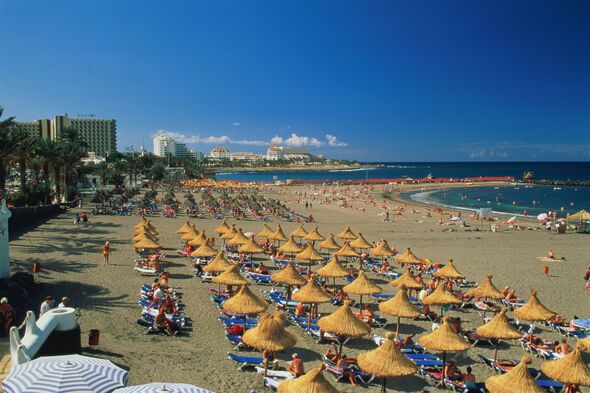

Brits heading to Tenerife, Gran Canaria, Lanzarote, Fuerteventura, La Palma, La Gomera and El Hierro in the Canary Islands are being given a new way to support the islands without paying a compulsory tourist tax. After many months of speculation over whether the Canary Islands would introduce a mandatory visitor levy, the Canary Islands Government has instead confirmed it will launch a voluntary contribution programme. Rather than following other Spanish and European destinations that have introduced mandatory visitor levies, the Canary Islands is launching a voluntary contribution programme designed to fund environmental protection and community projects across the archipelago.
The new initiative, known as the Canary Islands Tourism Regeneration and Nature Restoration Fund (RegNext), aims to "turn tourism into an active driver of environmental and social regeneration in the archipelago." This comes after the Canary Islands welcomed a record 18.39 million visitors last year, with tourism continuing to play a vital role in the local economy while also increasing pressure on natural landscapes and local communities.

Over the past two years, thousands of local residents on the Canary Islands have taken to the streets in protest, calling for a more sustainable tourism model, raising concerns about the lack of affordable housing and mounting pressure on local resources, and urging stricter limits on visitor numbers.
Instead of adding an extra charge to accommodation bills or flights, however, travellers will be invited to make optional donations online. The money will be directed towards selected regeneration projects, allowing visitors to see how their contributions are being used.
According to the Canary Islands Government, the funding will support initiatives including habitat restoration, biodiversity conservation, emissions reduction, climate resilience, landscape improvements and community-focused programmes such as affordable housing.
Officials say the programme has been designed to provide complete transparency, with donors able to track the environmental and social impact of the projects they choose to support.
Canary Islands Tourism said: "In the initial phase of RegNext, five pilot projects will be selected: one on each of the islands with the highest tourism pressure, and another cross-cutting project of a social nature covering the entire archipelago.
"To implement them, the Commission will design a voluntary, traceable, and transparent financing system that will allow resources to be directly and specifically allocated to regeneration projects.
Jessica de León, Minister of Tourism for the Canary Islands, said: "REGNEXT has been created to make tourism an active force for environmental and social regeneration.
“Through voluntary contributions from visitors, businesses and climate foundations, we can ensure that part of the value tourism generates is reinvested directly into restoring ecosystems, strengthening climate resilience and improving the communities that make our destination so special.”
Several major travel companies have already backed the initiative, including easyJet holidays, Jet2.com, Jet2holidays and TUI, helping make it easier for holidaymakers to contribute during the booking process.
As reported by the Independent, the Spanish tourist office also said: “For UK travellers, REGNEXT offers a new way to support the destination they visit without increasing the cost of their holiday through a compulsory tax, while giving travel companies a transparent mechanism for investing in measurable environmental and social outcomes.”
The islands hope the voluntary scheme will encourage responsible tourism while preserving the destinations that attract millions of visitors each year, without increasing the cost of holidays to the Spanish archipelago.