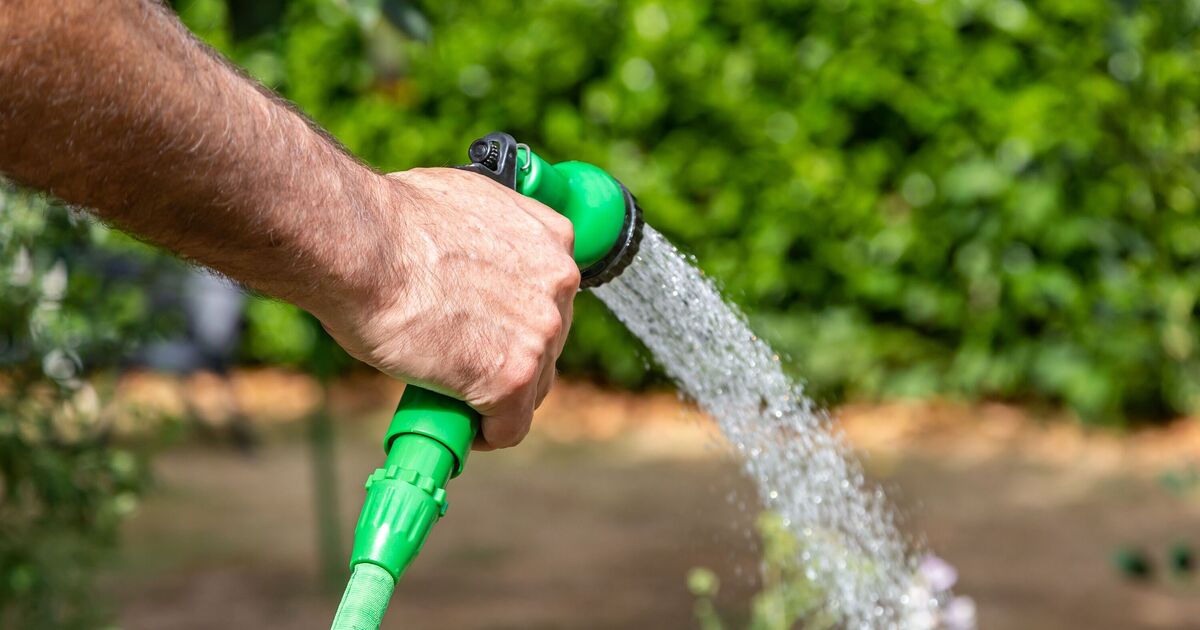

A new hosepipe ban has been issued by a water company who last enforced one in 1995. Due to sustained hot weather and low rainfall levels, Cambridge Water announced the temporary hosepipe ban for parts of Cambridgeshire.
The measures will be enforceable from 1am on 17 July, the first time the company has implemented such restrictions in 30 years. It is expected to affect roughly 350,000 households, with residents who violate the hosepipe ban liable for fines of up to £1,000. A spokesperson for Cambridge Water said: “The temporary ban will come into effect immediately and will be enforceable from 1am on Friday, July 17.”
The company is responsible for supplying drinking water for parts of the county, including Cambridge, Ramsey, Gamlingay, Balsham and Melbourn.
Managing director of Cambridge Water, Elena Karpathakis told the BBC: “We have been doing everything possible to maintain supplies but demand for water is currently at record levels.
“This is not a decision we have taken lightly – it is the first time in more than 30 years, since the UK drought of 1995, that we have had to introduce a temporary hosepipe ban.
"Every litre saved helps. If each of us reduces our water use a little, together we can make a significant difference.“
The company said the temporary ban would "help protect local water resources and the region's internationally important chalk streams".
Anyone who uses a hosepipe for business purposes is not included in the ban.
In a statement on Cambridge Water’s website, it announced that since April “customer demand for water has been at the highest ever levels for the time of year due to the dry, hot weather”.
The statement added: Following one of the driest springs in recent years and exceptionally warm weather throughout summer so far, demand for water across the Cambridge region has risen to record levels.
Customers typically use around 86 megalitres of water a day - enough to fill more than one million baths. In recent weeks, demand has exceeded 112 megalitres a day, a 30% increase and the equivalent of an extra 300,000 baths every day.
"This level of demand cannot be sustained over a prolonged period.