
Gas and electricity bills are forecast to jump by £443 a year from January as energy costs continue to push up the UK's inflation rate.
The annual price cap on gas and elecrtricity is predicted to rise by 26% in the new year, according to researchers at consultancy Cornwall Insight. Energy regulator Ofgem will announce the new cap next Wednesday, 25 November.
A sharp jump means inflation is at risk of continuing to rise - official data revealed prices rose 3.6% in the year to October, up from 3.5% in September mainly because of higher petrol and diesel prices.
Inflation is at its highest rate in a year as energy prices have accelerated largely due to the US-Israel war with Iran.
In response to prices surging, the Bank of England raised interest rates for the first time in three years earlier this month, in a bid to slow inflation to its target of 2%.
Interest rates increased from 3.75% to 4%, and the Bank signalled a further rise could be likely unless the conflict in the Middle East is resolved.
Higher interest rates lift the cost of borrowing for some mortgages, loans and credit cards, but can also lead to a better return on savings.
Emma Reynolds, chief secretary to the Treasury, said the government was providing help for households with energy costs.
VAT has been cut on electricity bills to zero until next July and the government will also hand £100 to 20 million homes in January.
But with annual household energy bills forecast to reach £2,166, Cornwall Insight's retail markets principal, Craig Lowrey, said that "ultimately this support can only chip away at the edges of a bill that continues to be pushed up by events in the Middle East".

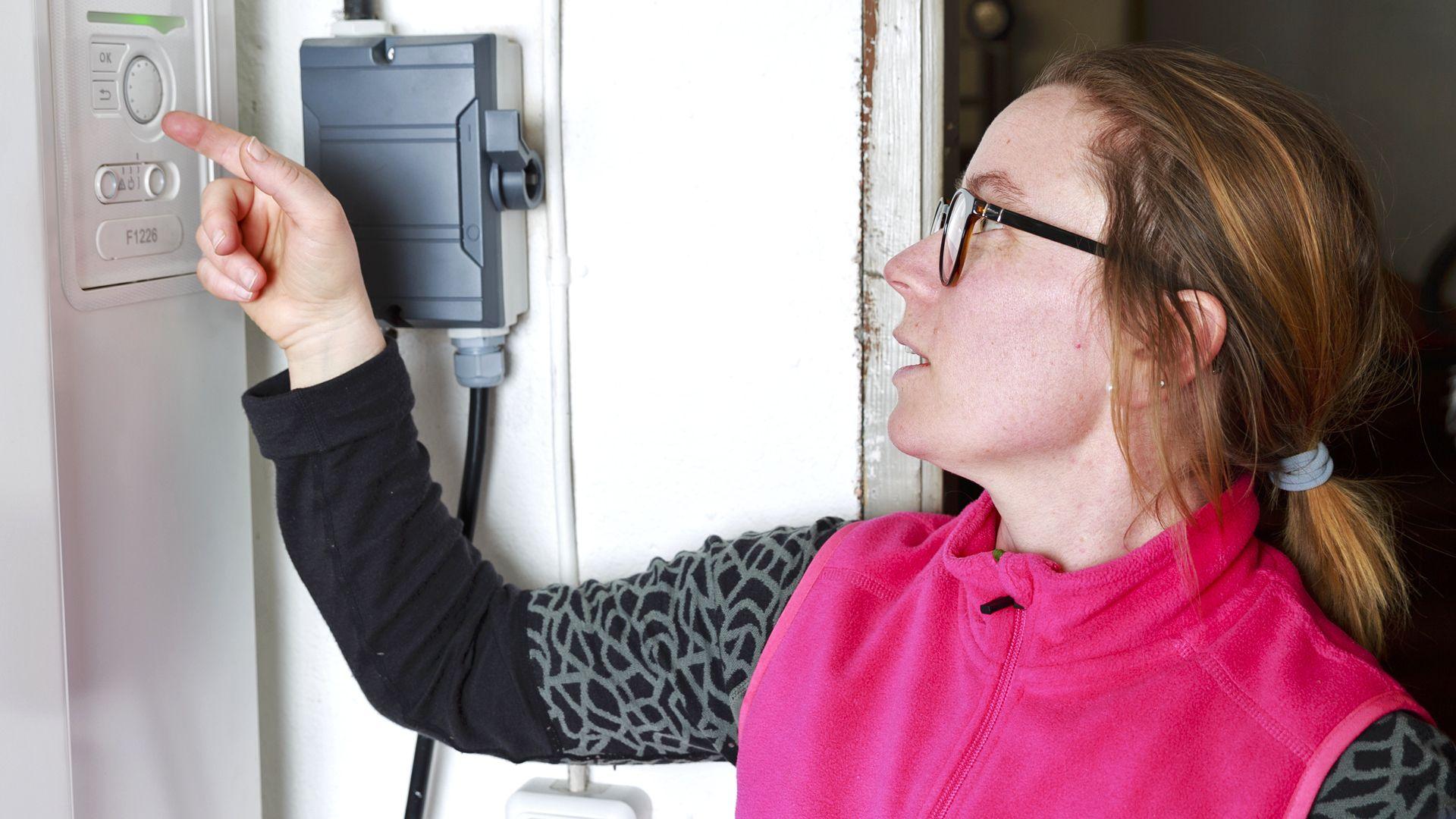
Sophie, who manages a cafe at the Old Boat Corner community centre in Brighton, told the BBC she watches her smart meter at home "like a hawk".
"I'm very conscious of the cost of energy, and it is having an impact on how we function in the home as a family," she said.
"I try to cook using the oven a lot less than I used to. We haven't got the heating on yet in our household. We're just like 'wear more layers'. We've got electric blankets on the sofa."
Shadow chancellor, Andrew Griffith, said four successive rises in the inflation rate was down to the UK's "soaring energy costs" and Labour's decision to "hike taxes and employment costs".
Grant Fitzner, chief economist at the ONS, said fuel prices were "once again a major contributor" to the increase in the inflation rate in October.
Rising energy prices can lead to more expensive food and staples for consumers if businesses pass on higher costs.
Earlier this month, the Bank of England said there had been "limited evidence" of this, with some firms absorbing cost increases and accepting lower profit margins.
But Fitzner said on Wednesday: "Annual costs of both raw materials and goods leaving factories continue to climb, driven by higher crude oil and petrol prices, respectively."

Petrol prices rose by 5.2p per litre between September and October, the ONS said, with the average price last month hitting 174.7p per litre - the highest since August 2022.
Diesel prices, meanwhile, reached the highest price since records began 30 years ago, averaging 199.5p per litre in October.
But the ONS said price inflation in restaurants and cafes had slowed last month, and that prices had fallen on average for hotels.
And food price inflation rose by 0.9%, the slowest pace in five years.
Core inflation, which strips out energy and food costs, and services inflation were little changed on last month. The figure is closely watched by the Bank of England when setting interest rates.
It could mean the Bank opts to hold off on a further rate rise in December, though policymakers believe inflation could peak at 4.9% in the middle of next year and not return to 2% until 2028.
In an "adverse scenario", where the US-Iran war could escalate further and send oil prices higher, inflation could reach 6.2% in 2027, it has suggested.
A spokesperson for the Bank said it decided to raise rates two weeks ago to "limit how much higher energy costs affect other prices, and will continue to set interest rates to make sure inflation returns to the 2% target and stays there".